| Past Exhibitions | ||
|
June 8 - July 6, 2016
|  View Exhibition |
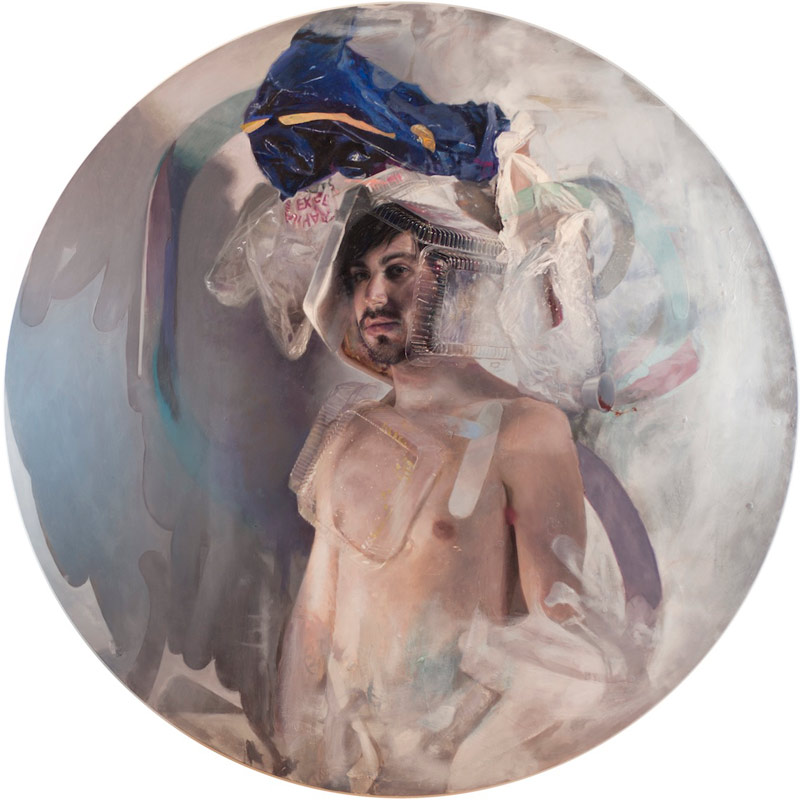
Island Weiss Gallery is pleased to present Daniel Bilodeau: Consumed, an exhibition on view from June 8 through July 6, 2016 of paintings and works in mixed media in which the artist combines hyperrealism with elements of non-objectivity and painterly execution. The title Consumed functions in a dual manner, as Bilodeau explores the implications of consumer culture and is himself consumed in the processing of our role within it—through his life and art making practice. For Bilodeau, painting is wedded to this exploration, diving into contemporary visual culture, social responsibility and art historical riffs. [MORE] READ REVIEW (PDF) | VIEW ARTIST BIO (PDF) VIEW EXHIBITION | VIEW BLUE ROOM |
|
May 4 - June 1, 2016
|  View Exhibition |
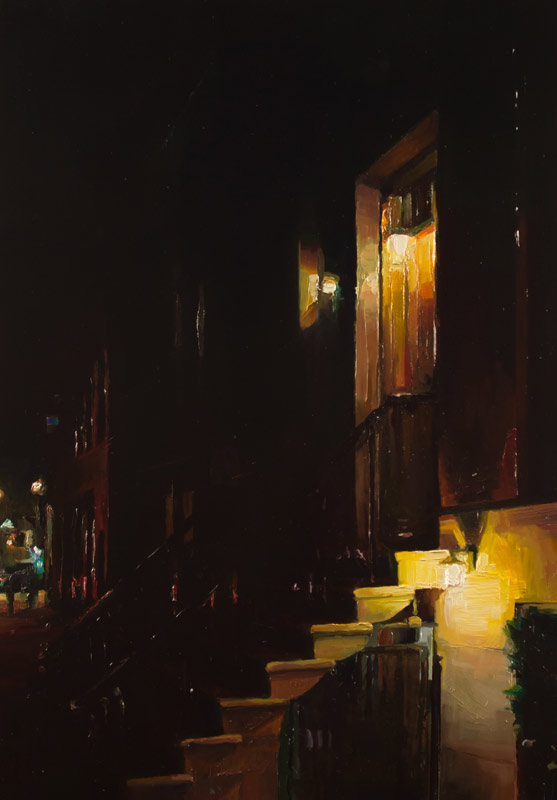
In the beginning of 2015 a friend suggested that I take a look at the work of a promising young artist from
the Phoenix, Arizona area who had recently moved to New York City. That same day, a gallery associate
and I looked at Jake Fischer's work on my large Mac computer screen and what we saw impressed and
intrigued the both of us. READ FULL REVIEW (PDF) VIEW EXHIBITION | VIEW BLUE ROOM |
|
July 22 - September 25, 2015
|  View Exhibition |
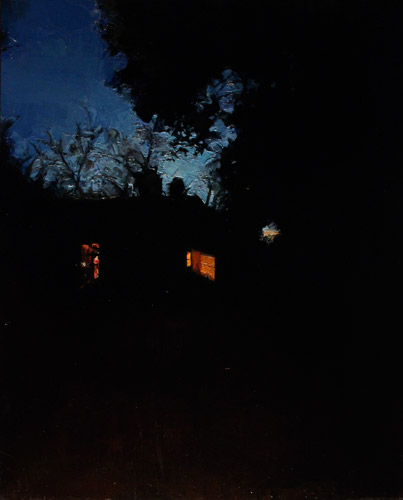
Island Weiss Gallery is pleased to present new works by Jake Fischer and Mark Dassoulas. VIEW EXHIBITION |
|
May 20 - June 20, 2015
|  View Exhibition |
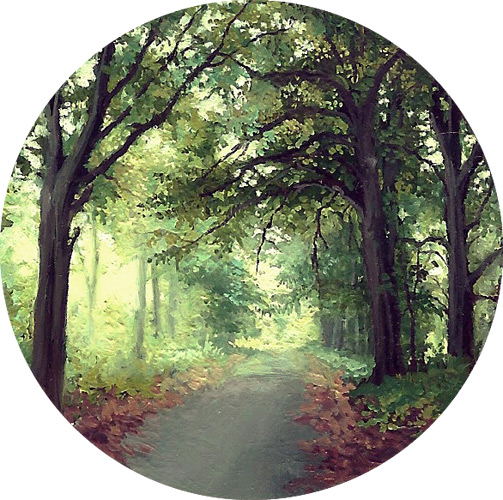
Island Weiss Gallery is pleased to present Cycling Guide to Lilliput, a solo exhibition featuring over fifty of Dina Brodsky's latest miniature paintings, each only two inches in diameter. This exhibition is the first chapter in a series of works in which Brodsky elicits and memorializes the most striking and vivid moments from her ten years of long distance cycling and drawing trips throughout Europe. Each of these tiny paintings is not only a portal into the world of Brodsky's mind and memories, but also into the unnerving and yet seductive mystery of distant lands. READ FULL REVIEW (PDF) VIEW EXHIBITION | VIEW BLUE ROOM |
|
April 7 - April 30, 2015
|  View Exhibition |
Participating artists include: Joan Benefiel, Dina Brodsky, Diana Corvelle, Cara DeAngelis, Michelle Doll, Heidi Elbers, Shauna Finn, Alonsa Guevara, Katie Hemmer, Zoë Sua Kay, Elizabeth Misitano, Lauren Redding, Manu Saluja, Maud Taber-Thomas, Maria Teicher and Patricia Watwood. [MORE] |
|
March 25 - April 30, 2015
|  View Exhibition |
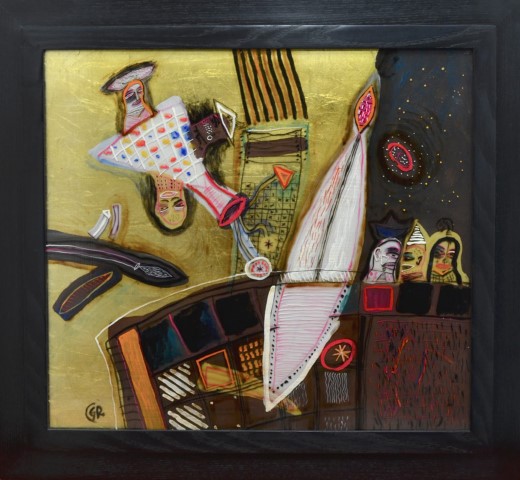
It's with great pleasure that Island Weiss presents Gems and Treasures from the Vault, a special selection of paintings, drawings and sculpture by over 60 artists. The gallery has been transformed into a dynamic salon style exhibition space with over 100 artworks on view. These have been hand selected directly from the vault as well as from Island's own personal collection. Included in this exhibition are original works on paper never before exhibited, paintings and drawings from the early to mid 20th century, and works by both emerging and established contemporary artists. [MORE] |
|
December 10, 2014 - January 30, 2015
By Appointment Only Curated by Diana Corvelle | 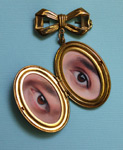 |
PARTICIPATING ARTISTS INCLUDE: Steven Assael | Cara Deangelis | Heidi Elbers | Benjamin Martins | Elizabeth Misitano | Tun Myaing | Lauren Amalia Redding | Nicolas V | Sanchez | Guno Park | Maud Taber-Thomas | John Jacobsmeyer & Katrina Balling | Michelle Doll | James Linkous | Diana Corvelle | Jesse Stern | Katie Hemmer | Julie Elizabeth Brady | Zoe Sua Kay | Greg Tomezsko | Maria Teicher | Mark Dassoulas | Dina Brodsky | Melissa Basham | Peter Drake | Patricia Watwood | Steve Forster | Heidi Brant | Stephen Hannock | Alyssa Monks [MORE] |
|
September 18 - October 30, 2014
|  View Exhibition |
Island Weiss Gallery is pleased to announce we will begin the fall season premiering new works by New York artist Catherine Howe. [MORE] |
|
July 10 - 13, 2014
Sculpture Fields of Nova's Ark in Bridgehampton, NY
|  View Exhibition |
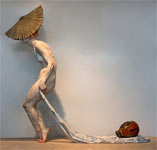
Island Weiss Gallery is pleased to announce it will be exhibiting at Art Hamptons, showing a selection of works including new works by Chie Shimizu, Catherine Howe, Strong-Cuevas and Joan Benefiel & Jeremy Leichman. [MORE] |
|
November 29, 2012 - January 15, 2013
|  View Exhibition |
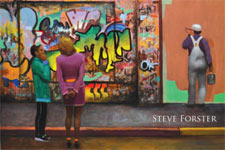
When I look at Steve Forster's hauntingly beautiful work I find myself thinking, "if only Rockwell had tried mushrooms." All of the familiar signifiers are there; kids, schools, the artist in his studio, but in Forster's work no one is doing precisely what they should be doing. - Forward by Peter Drake [MORE] |
|
October 25 - November 9, 2012
|  View Exhibition |
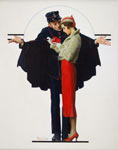
Highlighting a stellar selection of important 19th and 20th century American, European, and contemporary paintings and sculpture. Premiering Christopher Simmons new photography series Three Generations of Travel and Intrigue. [MORE] |
|
September 28 - 30, 2012
The Ranney School, Tinton Falls, NJ
|  View Exhibition |
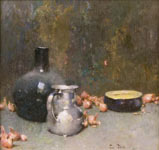
The Two Rivers Antiques and Art Show and Garden Tour is the major fundraiser for the Wilentz Breast Center enabling it to remain on the forefront of breast cancer detection, diagnosis and treatment. [MORE] |
 View Exhibition |
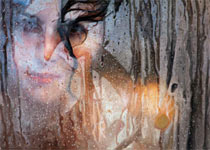
Featuring 30 available artworks to enhance your life. [MORE] | |
|
April 9 - May 11, 2012
|  View Exhibition |
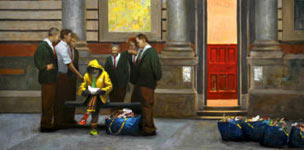
A group exhibition of new works. [MORE] |
|
March 22 - 26, 2012
Naples International Pavilion
|  View Exhibition |
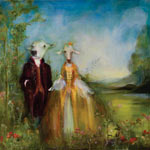
Presenting a spring collection of important American and European masterworks, contemporary excellence and extraordinary emerging artists at the Art Naples Contemporary Art Fair in Naples, Florida. Curated by Island Weiss and Katie Albert. [MORE] |
|
February 2 - March 13, 2012
|  View Exhibition |
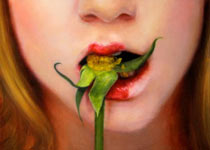
Featuring paintings by Jean-Pierre Arboleda, Sofia Bachvarova, Julie Brady, Dina Brodsky, Bonnie DeWitt, Michelle Doll, Uziel Duarte, Daniel Esquivia Zapata, Nicole Etienne, Jane LaFarge Hamill, Michael Meadors, Alyssa Monks, Isaac Pelepko, Jason Talley, Melanie Vote, Mitra Walter. Curated by Island Weiss & Michelle Doll. [MORE] |
|
November 8 - December 21, 2011
|  View Exhibition |
Featuring paintings by Julie Brady, Dina Brodsky, Maya Brodsky, Bonnie DeWitt, Michelle Doll, Peter Drake, Bryan Drury, Heidi Elbers, Karl Koett, Tun Myaing, Misha Rosnach, Jean-Pierre Roy, Melanie Vote, Mitra Walter, and John Wellington. [MORE] |
|
July 1 - 29, 2011
|  View Exhibition |
Featuring paintings by Catherine Howe, Lisa Lebofsky, Alyssa Monks [MORE] |
|
May 24 - June 23, 2011
|  View Exhibition |
Recent paintings by Serge Clement and Maria Kamena. [MORE] |
 View Exhibition |
Nineteenth and 20th century American and European paintings and drawings. [MORE] | |
|
November 12 - 15, 2010
Park Avenue Armory
|  View Exhibition |
[MORE] |
|
June 24 - July 31, 2010
|  View Exhibition |
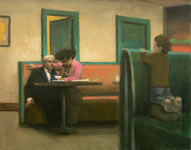
Curated by Island Weiss and Viviane Silvera. [MORE] |
|
May 19 - June 18, 2010
|  View Exhibition |
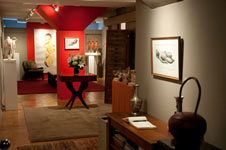
Featuring drawings, oils, watercolors and sculptures by Steven Assael, John Bowman, Lisa Lebofsky, Kim McCarty, Chie Shimizu, and Elena Sisto. Curated by Viviane Silvera. [MORE] |
|
November 5 - December 31, 2009
|  View Exhibition |
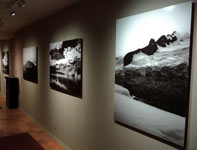
[MORE] |
|
November 13, 2009
|  View Exhibition |
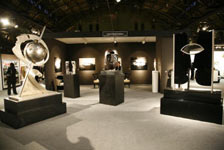
Champagne reception to benefit the New York Academy of Art. [MORE] |
|
May 6, 2009
Julien Farel Salon
|  View Exhibition |
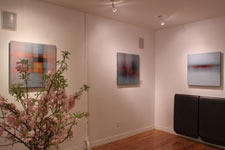
Island Weiss Gallery spring opening at JF Gymnastique featuring Mark Dassoulas's Transition series and new pigment prints. [MORE] |
|
February 27 - March 2, 2009
Park Avenue Armory
| 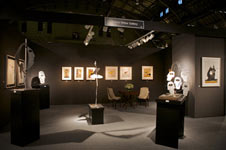 View Exhibition |
[MORE] |
|
January 21, 2009
|  View Exhibition |
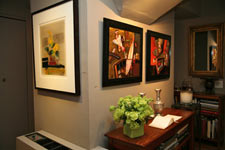
Featuring new work by Strong-Cuevas, Mark Dassoulas, and introducing Grigorian Rusu [MORE] |
|
November 14 - 17, 2008
Park Avenue Armory
| 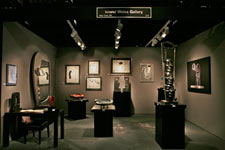 View Exhibition |
[MORE] |
|
November 7 - 10, 2008
Park Avenue Armory
| 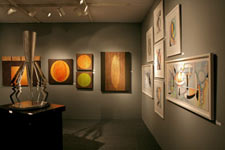 View Exhibition |
[MORE] |
|
March 17 - April 11, 2008
| 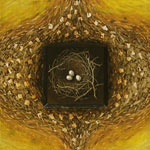 View Exhibition |
[MORE] |
|
December 4, 2007 - January 31, 2008
|  View Exhibition |
Join us this holiday season for a viewing of a selection of American, European, and Asian contemporary art advantageously priced for the artful buyer. [MORE] |
|
June 8 - July 13, 2007
| 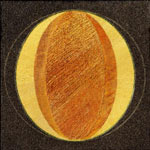 View Exhibition |
[MORE] |
|
May 3 - June 1, 2007
|  View Exhibition |
[MORE] |
|
November 9, 2006 - January 25, 2007
|  View Exhibition |
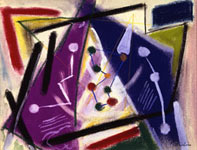
Island Weiss Gallery is pleased to present New Hope Modernists, Part I. An exhibition primarily featuring rare and important works by Joseph Meierhans, Josef Zenk, Richard Peter Hoffman, and Tobias Musicant. Many of these works come directly from the artist's estates. The exhibition includes woodblock prints, watercolors, temperas, pastels, and oils from the 30s, 40s, and 50s. [MORE] |
|
Through December 2006
|  View Exhibition |
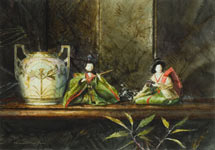
Island Weiss Gallery is pleased to present the beautiful and elegant watercolors of Thomas WIlliam Jones. [MORE] |
|
October 26 - November 12, 2006
|  View Exhibition |
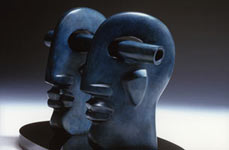
Island Weiss Gallery in association with James W. Palmer III '90 Gallery are pleased to present Strong-Cuevas: Thought Travels at College Center, Vassar College in Poughkeepsie, NY. The Palmer Gallery exhibition is in honor of the inauguration of Catherine Bond Hill, the tenth President of Vassar College. [MORE] |
|
April 9 - June 18, 2006
|  View Exhibition |
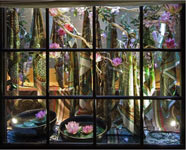
Island Weiss Gallery is pleased to present the new spring installation at Alain Ducasse at the Essex House in collaboration with image guru Montgomery Frazier. The new installation features Byzantine inspired silk scarves by Nicole Miller and sculpture by Elizabeth Strong-Cuevas. [MORE] |
|
November 11, 2005 - January 6, 2006
|  View Exhibition |
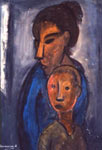
Island Weiss Gallery is pleased to present paintings by Belgian artist Paul-Henri Bourguignon (1906-1988), including previously unexhibited works spanning four decades. [MORE] |
|
Through September 2005
|  View Exhibition |
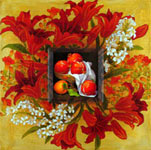
A Special Preview featuring the beautiful and lush paintings of Chunhong Chang and the visionary and elegant sculptures of Strong-Cuevas. [MORE] |
|
Summer 2004
Robert Martinelli, 433 W. 14th St.
|  View Exhibition |
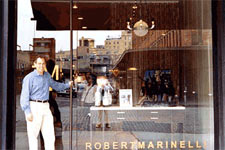
Painting, sculpture, and photography by Island Weiss Gallery and signature home furnishings and accessories by Robert Marinelli. [MORE] |
 View Exhibition |
"These works are about finding equilibrium between movement and rest and the rhythms in nature which coalesce with the rhythms in one's self. To be in a state of equilibrium that allows for every appreciation and indulgence of life." -Mark Dassoulas [MORE] | |
 View Exhibition |
[MORE] | |